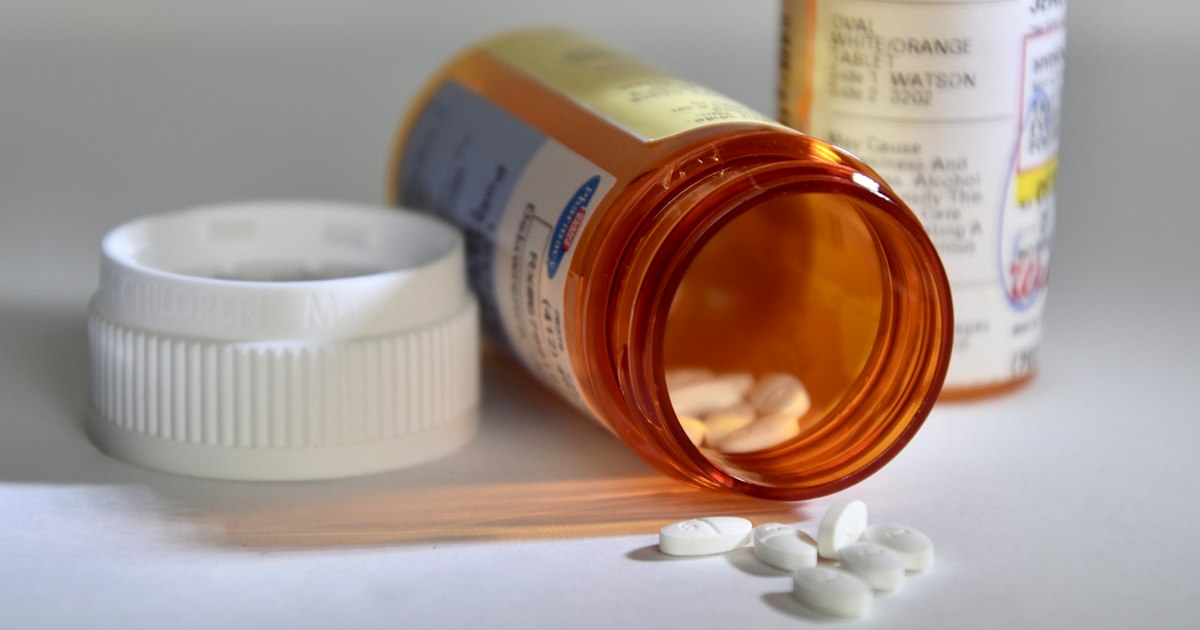
Testosterone cypionate: interactions with alcohol and medications
Testosterone cypionate is rarely taken "in a vacuum": alongside it there may be alcohol, blood-pressure or diabetes medications, anticoagulants, painkillers. The editors have examined which interactions are listed in the official prescribing information, how alcohol affects the hormonal system and which combinations pose the greatest risk.
Why interactions matter
Testosterone cypionate is a prescription hormonal drug that affects metabolism, the blood-clotting system, water-salt balance and liver function. That is why combining it with other medications or alcohol can alter both the effects of the hormone itself and the action of other drugs.
Unlike many tablets, injectable testosterone does not undergo first-pass metabolism in the liver during absorption, so it has few classic pharmacokinetic interactions via cytochrome P450 enzymes. Most significant interactions are pharmacodynamic: when two agents act on the same body system.
The official prescribing information for injectable testosterone cypionate (Depo-Testosterone), approved by the FDA, specifically highlights interactions with insulin, oral anticoagulants and corticosteroids. We will examine these groups in detail.
A separate topic is alcohol. It is not listed among the interactions as a contraindication, but it has its own effect on the hormonal system, liver, blood pressure and behavior, which in combination with androgens increases the risks.
Alcohol and testosterone
The effect of alcohol on the male reproductive system is well described. Regular and excessive consumption lowers the body's own testosterone production, suppressing both the hypothalamic-pituitary axis and the Leydig cells in the testes directly. People with chronic alcoholism often show hypogonadism and feminization.
Alcohol also affects the liver, which metabolizes steroid hormones. Liver damage disrupts the synthesis of sex hormone-binding globulin and enhances the conversion of androgens into estrogens. In combination with supraphysiological testosterone, this can amplify estrogenic side effects.
Another dimension is cardiovascular. Androgens can raise blood pressure and hematocrit, while systematic alcohol consumption is itself a risk factor for hypertension and rhythm disturbances. Together they place an additional load on the heart.
The behavioral aspect is no less important. Alcohol reduces self-control, and high androgen levels in some people increase irritability and impulsivity. Studies among users of anabolic steroids record a more frequent combination with alcohol and other substances, which raises the risk of conflicts and injuries.
For those receiving replacement therapy, the sensible stance is moderation or abstinence from alcohol and honesty with the doctor about the real amount consumed.

Drugs with clinically significant interactions
Let us summarize the drug groups for which the prescribing information for testosterone cypionate or clinical practice recommend caution. This is not a complete list: a doctor assesses each combination individually.
| Drug group | Nature of the interaction | What the doctor usually does |
|---|---|---|
| Oral anticoagulants (warfarin) | Androgens may enhance the anticoagulant effect | More frequent INR monitoring, adjustment of the anticoagulant dose |
| Insulin, glucose-lowering agents | Androgens may lower glucose levels and insulin requirements | Blood glucose monitoring, adjustment of therapy |
| Corticosteroids, ACTH | Increased fluid retention and edema | Caution in patients with cardiac, kidney and liver diseases |
| 5α-reductase inhibitors | Reduced DHT formation, effect on PSA | Taken into account when interpreting PSA |
| Opioids (long-term) | Themselves suppress the hormonal axis | Assessment of the causes of hypogonadism |
The interaction with warfarin is one of the most important, since excessive enhancement of the anticoagulant effect risks bleeding. Patients taking anticoagulants must inform the doctor who monitors their blood clotting about starting or changing hormonal therapy.
Diabetes, blood pressure and the heart
In people with diabetes, testosterone can increase insulin sensitivity. This is a positive effect, but it may require adjusting the doses of glucose-lowering drugs to avoid hypoglycemia. That is precisely why the prescribing information separately notes the need to monitor glucose.
As for antihypertensive drugs, there are no direct pharmacokinetic interactions with testosterone, however androgens can raise blood pressure through sodium and fluid retention. If blood pressure rises during therapy, the doctor adjusts treatment.
A rise in hematocrit is one of the most common side effects of injectable testosterone esters. Combining it with other factors that thicken the blood, such as smoking, dehydration or certain drugs, increases the thrombotic risk, so monitoring the complete blood count is mandatory.
People with heart failure, kidney or liver disease have a higher risk of edema; combining it with corticosteroids amplifies this risk. Therefore the full list of medications you take must be known to the doctor prescribing testosterone.
Dangerous combinations outside medicine
With non-medical use of testosterone cypionate, the risks of interactions rise sharply. The reason is combination with other drugs without oversight: oral 17α-alkylated steroids with pronounced hepatotoxicity, stimulants, diuretics, drugs for "estrogen control", painkillers.
- Oral steroids + alcohol— a double load on the liver, risk of cholestasis.
- Androgens + diuretics— dehydration, electrolyte disturbances, dangerous arrhythmias.
- Androgens + stimulants— increased blood pressure and load on the heart.
- Androgens + non-steroidal anti-inflammatories in large amounts— a load on the kidneys.
It is also worth mentioning that a person who uses drugs outside medical supervision often hides this from doctors. As a result, a doctor prescribing, for example, an anticoagulant or an antibiotic, does not have the full picture. Honesty in the conversation with the doctor is a matter of safety, not morality.
It is also important to remember the risk of poor-quality drugs from the illegal market: unknown content makes any predictions about interactions impossible.
Editorial conclusions
Testosterone cypionate has relatively few pharmacokinetic interactions, but clinically significant ones include combinations with anticoagulants, insulin and glucose-lowering agents, and corticosteroids.
Alcohol on its own lowers the body's own testosterone, burdens the liver and heart and worsens self-control, so in combination with androgens it amplifies the risks.
The safest approach is to inform the doctor about all drugs and supplements and not to combine hormones with other agents without medical supervision.
We also recommend our materials on testosterone cypionate and the psyche, on the effect of testosterone on the kidneys, and on hematocrit and the risk of thrombosis.
References
- Depo-Testosterone (testosterone cypionate) injection. Prescribing information. Pfizer; U.S. Food and Drug Administration.
- Emanuele MA, Emanuele NV. Alcohol's effects on male reproduction. Alcohol Health Res World. 1998;22(3):195–201.
- Bhasin S, Brito JP, Cunningham GR, et al. Testosterone therapy in men with hypogonadism: an Endocrine Society clinical practice guideline. J Clin Endocrinol Metab. 2018;103(5):1715–1744.
- Pope HG Jr, Wood RI, Rogol A, et al. Adverse health consequences of performance-enhancing drugs: an Endocrine Society scientific statement. Endocr Rev. 2014;35(3):341–375.
- Rhoden EL, Morgentaler A. Risks of testosterone-replacement therapy and recommendations for monitoring. N Engl J Med. 2004;350(5):482–492.
- Kicman AT. Pharmacology of anabolic steroids. Br J Pharmacol. 2008;154(3):502–521.
Andriy Melnyk
A strength-sports coach and author of programs for beginner and intermediate levels. Writes about training planning.